About
I have always wanted to understand how things work, and how they can work better.
I grew up in New Delhi knowing that I wanted to become an engineer. That instinct to open things up, understand the parts, and rebuild them more intelligently never left. It simply moved from machines to operations, systems, teams, and businesses.
More than 30 years across engineering, industrial projects, security, energy, telecommunications, cruise operations, technology, and finance.
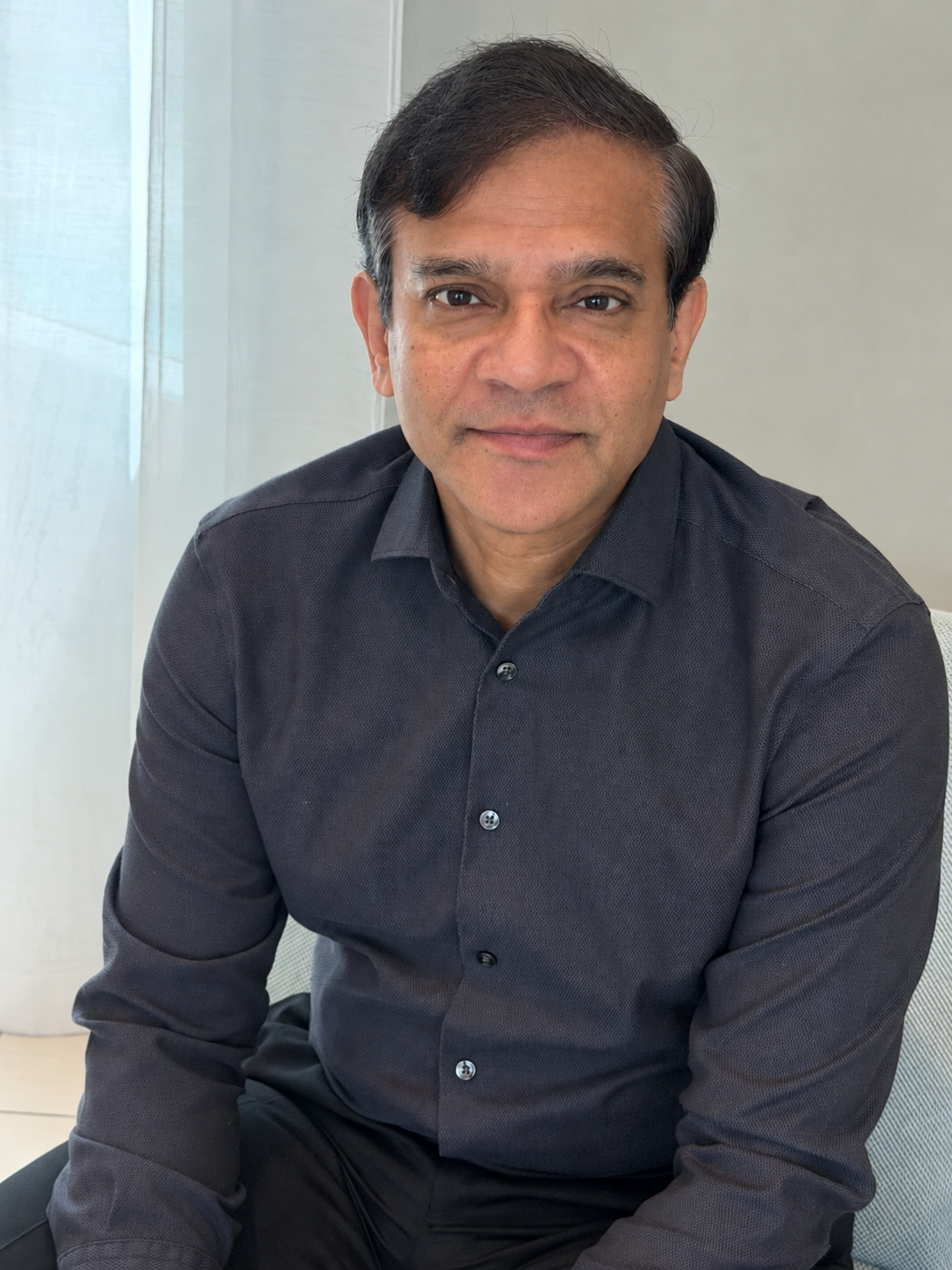
“Whatever job is on your plate, do it well. If you do not, it will never open the next door.”
Story chapters
01
Constraints taught me to become resourceful.
02
Engineering gave me structure. Starting again taught me adaptability.
03
Lean Six Sigma changed my thought DNA.
04
You cannot park a cruise ship.
05
Finance completed the picture.
06
In 2026, I chose to move back closer to customer centric work.
Professional timeline.
1992 to 1999 / Siemens
Project marketing, profit-centre leadership, industrial electrification and automation.
2000 to 2008 / ADT Security Services
Oracle systems, supply chain, customer retention, Lean Six Sigma. 20 percent inventory reduction, 30 percent faster fulfilment, $5 million recurring uplift.
2008 to 2012 / NextEra Energy Resources
Wind development, nuclear operations, telecom transformation, more than 100 professionals trained and mentored.
2012 / Enercon WindWorld India
More than 250 employees supporting over 3,000 wind turbines across seven states.
2012 to 2017 / NextEra and FiberNet Direct
More than 25 people across three departments. Customer base expanded from 30+ to 1,000+. Revenue delivery doubled with 20 percent additional headcount.
2017 to 2022 / Norwegian Cruise Line Holdings
Process excellence, digital transformation, automation centre of excellence, and leadership through the cruise shutdown.
2022 to March 2026 / Blackstone
Vice President in technology operations.
The stories that make the experience human
New Delhi
Russian mathematics books and learning resourcefulness under constraint.
Siemens
The best professional training environment and the rule that good work opens the next door.
Move to America
A Friday call, a Monday arrival, and starting again through Y2K work.
ADT
Being selected as a change agent and learning to find the pattern behind a problem.
FiberNet
The strategy changed, but execution had not. A two-week planning cycle became next-day or same-day work.
Norwegian
Five hundred days of zero revenue, 27 ships that could not simply be parked, and the human cost of operational decisions.
Blackstone
Trust, communication, reputation, relationships, and how capital sees a business.
The next chapter
Moving closer to the customer and the people creating the result, with a long-term ambition to own and operate.
My story, in full.
I grew up in New Delhi in a middle-class family where simple things carried real value. A box of sweets once in six months was memorable. Opportunities were earned through competition, persistence, and the willingness to work with whatever was available. I knew early that I wanted to become an engineer. Preparing for engineering school meant solving difficult problems from thin Russian mathematics books that offered very little explanation.
That experience taught me something I still rely on: when the obvious route is unavailable, you become resourceful, understand the problem more deeply, and find another way.
Siemens became my first professional home in 1992. It gave me an exceptional foundation in engineering, commercial judgment, project execution, and leadership. I worked across industrial electrification and automation projects in steel, cement, chemicals, and fertilisers. I led engineers and commercial colleagues, managed a profit centre, and learned how many different parties must work together for a complex project to succeed. Customers, consultants, manufacturers, commissioning teams, and financial stakeholders could each see the same project differently. My role was to understand those perspectives, connect them, and keep the work moving toward the result.
In 1999, I received a call on a Friday asking me to be in the United States by Monday. I arrived alone with a bag of clothes and work connected to the Y2K transition. It was not the role I had imagined for myself, but it gave me a principle I have carried ever since: do the job in front of you well enough that it opens the next door. Starting again in a new country taught me adaptability without lowering my standards. It also reminded me that a career is rarely a straight line. Progress often comes from treating the current responsibility with more care than the title appears to deserve.
A method that travels.
At ADT Security Services, I moved from business and technology systems into operational improvement. I helped guide cross-functional teams through Oracle implementations supporting 144 branches and 25,000 employees. That work contributed to a 20 percent reduction in inventory and a 30 percent reduction in order fulfilment time. Later, as a Six Sigma Black Belt, I led work across customer retention, pricing, service centres, master data, and field operations. One customer-retention programme produced a sustained $5 million annual uplift in recurring revenue. More important than any single result, Lean Six Sigma changed my thought DNA. It gave structure to an instinct I already had: observe the work, follow the evidence, identify the root cause, and focus effort where it can create a measurable difference.
That method travelled with me. At NextEra Energy Resources, I worked across wind development, nuclear operations, telecommunications, and leadership development. I trained and mentored more than 100 Black and Green Belts across technical and commercial disciplines. At Enercon WindWorld India, I led seven direct reports and more than 250 employees supporting over 3,000 wind turbines across seven states. The industries and technologies changed, but the operating questions remained recognisable. Where does the work stop flowing? What has become normal simply because people see it every day? What does the data prove, and what can it not yet show? Which constraint matters enough to address first?
Leading through complexity.
I later returned to NextEra and helped lead service-delivery operations at FiberNet Direct. The business expanded from more than 30 wholesale customers to over 1,000 enterprise customers. Revenue delivery doubled over three years while headcount increased by only 20 percent. One of the most important lessons from that period was that strategy and execution can drift apart quietly. A company may decide to serve a different customer or move at a different speed, while the internal process continues operating as if nothing changed. We redesigned a planning process that once took two weeks so work could be planned the next day or, when necessary, the same day. The improvement came from seeing the mismatch clearly and building the answer with the people closest to it.
At Norwegian Cruise Line Holdings, I built process-excellence, digital-transformation, and automation capabilities across finance, accounting, technology, and service delivery. I established an automation centre of excellence and sponsored automation across more than 20 core financial processes. Then the pandemic created a situation no process manual could fully prepare us for. The company endured 500 days of zero revenue, while 27 ships still had to remain operational with crews, fuel, and critical systems running. You cannot simply park a cruise ship. I had to protect meaningful work where I could, make decisions I did not want to make, and help the organisation continue through extraordinary uncertainty. That period taught me the human cost of operations and the difference between an elegant plan and leadership under pressure.
The next chapter.
In 2022, I joined Blackstone and entered a world I had not worked inside before. My experience there added a financial and relationship perspective to the engineer and operator I had already become. I saw how trust, communication, reputation, judgment, and financial structure influence large decisions. A firm like Blackstone does not rely on a manufacturing line or a secret formula. Its advantage comes from the quality of its thinking and the strength of its relationships. That experience helped me understand more clearly how capital sees a business and why operating quality, leadership depth, and transferable capability matter beyond the next quarter.
In 2026, I chose to move back closer to customer centric work. I did not want another better job. I wanted to apply what I had learned nearer to customers, leaders, and the people creating the result every day. My current focus is helping leaders see where operational friction is limiting growth, profitability, customer value, or the capacity of the team. I begin by observing, listening, and testing what the evidence can support. I do not believe in imposing transformation theatre on a business. I believe in identifying the constraint that matters, building the answer with the people doing the work, and confirming that the result holds.
Over time, I also want to own and operate businesses myself. That ambition strengthens the standard I bring to the work today. I care about improvements that make the business more capable, not temporarily more impressive. I want systems to become stronger, knowledge to move beyond one person's head, teams to take greater ownership, and leaders to gain the freedom to focus on what comes next. Across every chapter of my career, the industries have changed. The underlying discipline has not. I remain an engineer at heart: curious about how things work, attentive to what others have stopped noticing, and committed to helping good businesses work better.